
Explore Our Vegetable Garden Journey This Summer
Summer is a magical time for gardeners. The sun shines brightly, the days are long, and the earth is alive with the promise of fresh vegetables. This summer, we embarked on an exciting journey in our vegetable garden, and we want to share our experiences, challenges, and triumphs with you. Whether you are a seasoned gardener or just starting out, there’s something to learn from our adventure.
Setting the Stage: Planning Our Garden
Before we could dig into the soil, we needed a solid plan. Here’s how we approached the planning phase:
Choosing the Right Location
Selecting the right spot for our garden was crucial. We looked for:
Sunlight: Our garden needed at least 6-8 hours of direct sunlight daily.
Drainage: Good drainage is essential to prevent waterlogging.
Accessibility: We wanted a location that was easy to reach for regular maintenance.
Selecting Vegetables
Next, we decided which vegetables to grow. We focused on a mix of favorites and new varieties:
Tomatoes: A summer staple, perfect for salads and sauces.
Zucchini: Fast-growing and versatile in the kitchen.
Bell Peppers: Colorful and packed with nutrients.
Carrots: A fun crop for kids to help harvest.
Herbs: Basil, parsley, and cilantro for flavoring our dishes.
Preparing the Soil
With our plan in place, it was time to prepare the soil. Healthy soil is the foundation of a successful garden. Here’s what we did:
Testing Soil Quality
We conducted a simple soil test to check pH levels and nutrient content. This helped us understand what amendments were necessary. Our soil was slightly acidic, so we added lime to balance it out.
Adding Organic Matter
To enrich the soil, we incorporated compost and well-rotted manure. This not only improved soil structure but also provided essential nutrients for our plants.
Planting Time
Once the soil was ready, we were excited to start planting. Here’s how we approached the planting phase:
Timing
We planted our seeds and seedlings after the last frost date in our area. This timing is critical to avoid damage from unexpected cold snaps.
Planting Techniques
We used different planting techniques based on the vegetable type:
Direct Seeding: For crops like carrots and zucchini, we sowed seeds directly into the soil.
Transplanting: For tomatoes and peppers, we started seeds indoors and then transplanted them once they were strong enough.
Caring for Our Garden
As our plants began to grow, we focused on their care. Here are the key aspects we managed:
Watering
Consistent watering is vital, especially during hot summer days. We established a routine:
Deep Watering: We watered deeply once or twice a week rather than shallow daily watering. This encouraged deep root growth.
Mulching: We applied a layer of mulch around the plants to retain moisture and suppress weeds.
Pest Management
Pests can be a gardener’s worst nightmare. We took a proactive approach:
Natural Predators: We encouraged beneficial insects like ladybugs and lacewings to help control aphid populations.
Companion Planting: We planted marigolds alongside our vegetables to deter pests naturally.
Harvesting the Rewards
After weeks of hard work, the moment we had been waiting for arrived: harvest time! Here’s how we celebrated our bounty:
Timing the Harvest
Knowing when to harvest is crucial. We picked vegetables at their peak ripeness for the best flavor:
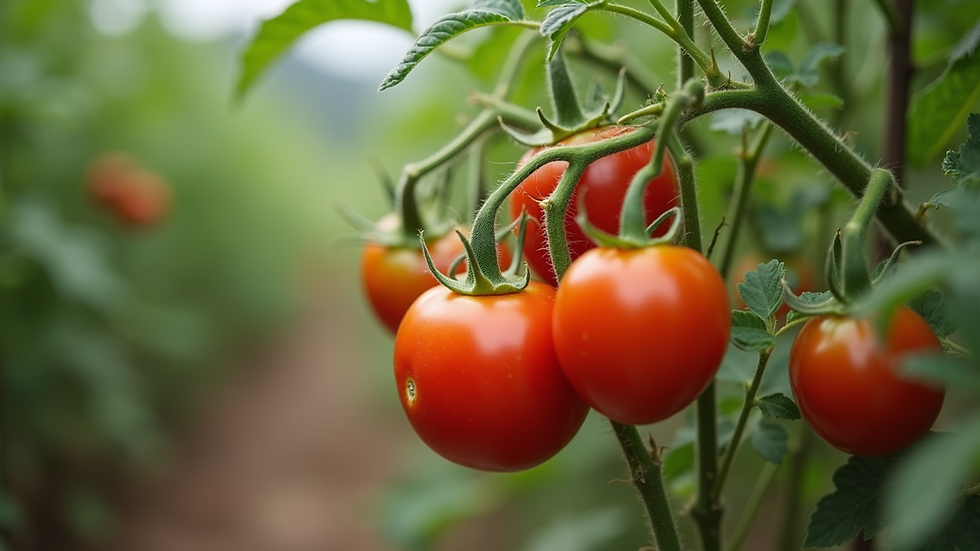
Tomatoes: We waited until they were fully colored and slightly soft to the touch.
Zucchini: We harvested them when they were about 6-8 inches long for optimal tenderness.
Enjoying Our Produce
There’s nothing quite like the taste of homegrown vegetables. We enjoyed our harvest in various ways:
Fresh Salads: Our tomatoes and peppers made vibrant salads.
Grilled Vegetables: Zucchini and bell peppers were perfect for grilling.
Herb-Infused Dishes: Fresh herbs added flavor to our meals.
Lessons Learned
Every gardening journey comes with its lessons. Here are some key takeaways from our summer experience:
Patience is Key
Gardening requires patience. Not every seed germinates, and not every plant thrives. Learning to accept setbacks is part of the process.
Adaptability
Weather can be unpredictable. We learned to adapt our watering and care routines based on changing conditions.
Community Support
Connecting with local gardening groups provided valuable insights and support. Sharing experiences with fellow gardeners enriched our journey.
Looking Ahead: Fall Gardening
As summer comes to an end, we’re already thinking about our fall garden. Here’s what we plan to do:
Choosing Fall Crops
We’re excited to plant cool-season crops like:
Kale: Hardy and nutritious, perfect for fall salads.
Spinach: Quick to grow and great for smoothies.
Radishes: Fast-growing and fun for kids to harvest.
Preparing for Winter
We’ll also focus on preparing our garden for winter. This includes:
Cover Crops: Planting cover crops to improve soil health during the off-season.
Mulching: Adding mulch to protect the soil and prevent erosion.
Conclusion
Our vegetable garden journey this summer has been a rewarding experience filled with learning, growth, and delicious produce. We hope our story inspires you to embark on your own gardening adventure. Remember, every garden is unique, and the joy of growing your own food is a journey worth taking. So grab your tools, get your hands dirty, and enjoy the fruits of your labor!


Comments