
Tips for Successful Gardening from a Scottish Horticulturist
Gardening is more than just a hobby; it is a way to connect with nature, cultivate beauty, and even grow your own food. For those living in Scotland, the unique climate and landscape present both challenges and opportunities for gardeners. As a Scottish horticulturist, I have gathered a wealth of knowledge over the years that can help you create a thriving garden. In this post, I will share practical tips and insights to ensure your gardening endeavors are successful.

Understanding the Scottish Climate
Scotland's climate can be unpredictable, with frequent rain and varying temperatures. Understanding these conditions is crucial for successful gardening. Here are some key points to consider:
Temperature Variability: The temperature can fluctuate significantly, even within a single day. Be prepared for sudden changes and choose plants that can withstand cooler temperatures.
Rainfall Patterns: Scotland receives a considerable amount of rainfall, which can be both beneficial and detrimental. Ensure proper drainage in your garden to prevent waterlogging.
Wind Exposure: Coastal areas can be particularly windy, which can damage delicate plants. Consider windbreaks or choose hardy plants that can withstand strong gusts.
Choosing the Right Plants
Selecting the right plants for your garden is essential. Here are some tips to help you make informed choices:
Native Plants: Consider incorporating native Scottish plants, such as heather, foxgloves, and ferns. These plants are well-adapted to the local climate and require less maintenance.
Seasonal Selection: Choose plants that thrive in different seasons. For example, spring bulbs like daffodils and tulips can provide early color, while summer perennials like peonies and delphiniums can extend the blooming season.
Edible Gardening: If you're interested in growing your own food, consider hardy vegetables like kale, leeks, and root vegetables that can tolerate cooler temperatures.
Soil Preparation and Maintenance
Healthy soil is the foundation of a successful garden. Here are some steps to ensure your soil is in top condition:
Soil Testing: Conduct a soil test to determine pH levels and nutrient content. This will help you understand what amendments your soil may need.
Organic Matter: Incorporate organic matter, such as compost or well-rotted manure, to improve soil structure and fertility.
Mulching: Apply a layer of mulch around your plants to retain moisture, suppress weeds, and regulate soil temperature.
Watering Wisely
Watering is a critical aspect of gardening, especially in Scotland where rainfall can be inconsistent. Here are some watering tips:
Deep Watering: Water deeply and less frequently to encourage deep root growth. This helps plants become more resilient to drought conditions.
Timing: Water early in the morning or late in the evening to minimize evaporation. Avoid watering during the hottest part of the day.
Rainwater Harvesting: Consider installing a rainwater harvesting system to collect and utilize rainwater for your garden.
Pest and Disease Management
Pests and diseases can pose significant challenges to gardeners. Here are some strategies to manage them effectively:
Companion Planting: Use companion planting techniques to deter pests. For example, planting marigolds alongside vegetables can help repel aphids.
Regular Monitoring: Regularly inspect your plants for signs of pests or disease. Early detection is key to effective management.
Natural Remedies: Explore natural remedies, such as neem oil or insecticidal soap, to control pests without harming beneficial insects.
Seasonal Gardening Tasks
Gardening is a year-round activity, and each season brings its own set of tasks. Here’s a seasonal breakdown:
Spring
Planting: Start sowing seeds for vegetables and flowers. This is also the time to plant bare-root trees and shrubs.
Pruning: Prune back any dead or damaged branches from trees and shrubs to encourage healthy growth.
Summer
Maintenance: Keep up with weeding and watering. This is also the time to deadhead flowers to promote further blooming.
Harvesting: Begin harvesting early crops like lettuce and radishes.
Autumn
Preparation: Prepare your garden for winter by cleaning up debris and adding compost to the soil.
Planting Bulbs: Plant spring-flowering bulbs like tulips and daffodils for a colorful display next year.
Winter
Planning: Use this time to plan your garden for the upcoming season. Consider what worked well and what didn’t.
Protection: Protect tender plants with mulch or fleece to shield them from frost.
Creating a Sustainable Garden
Sustainability is becoming increasingly important in gardening. Here are some ways to create an eco-friendly garden:
Composting: Start a compost bin to recycle kitchen scraps and garden waste. This not only reduces waste but also enriches your soil.
Wildlife Habitats: Create habitats for beneficial wildlife, such as bees and butterflies, by planting a variety of flowers and providing shelter.
Water Conservation: Use drip irrigation systems or soaker hoses to minimize water waste.
Engaging with the Gardening Community
Gardening can be a solitary activity, but engaging with others can enhance your experience. Here are some ways to connect with fellow gardeners:
Join Local Groups: Look for local gardening clubs or community gardens where you can share knowledge and resources.
Attend Workshops: Participate in gardening workshops or events to learn new skills and techniques.
Online Forums: Join online gardening forums or social media groups to connect with gardeners from around the world.
Conclusion
Gardening in Scotland offers unique challenges and rewards. By understanding the local climate, choosing the right plants, and employing sustainable practices, you can create a thriving garden that brings joy and beauty to your life. Remember to engage with the gardening community and continue learning as you grow. Happy gardening!
With these tips, you are well on your way to becoming a successful gardener in Scotland. Embrace the journey, and don’t hesitate to experiment and learn from your experiences. Your garden will flourish, and you will reap the rewards of your hard work.
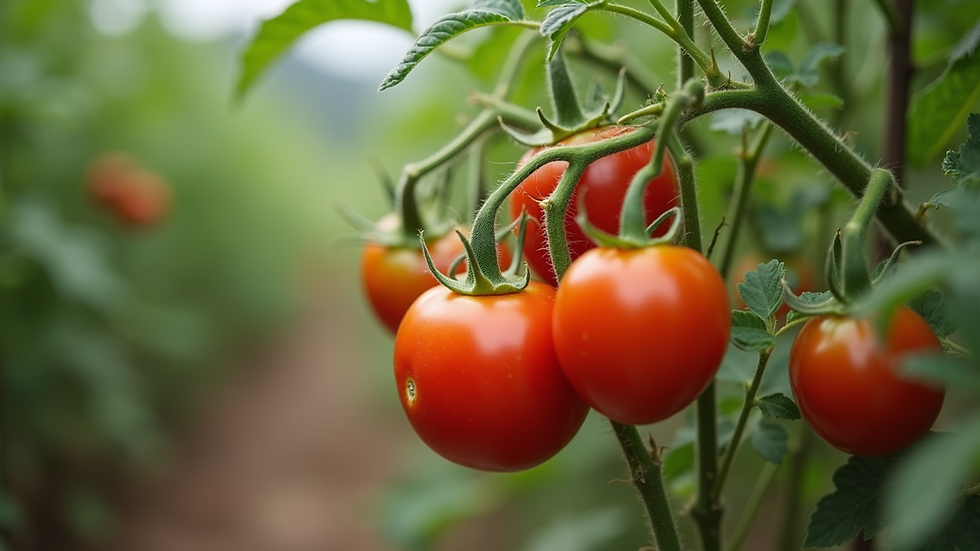

This was written by the site Ai, as a starter. I like it though as it leaves the reader thinking, .... if you can grow it in Scotland. ..you can grow it here 😀. - Mark.