
Growing Vegetables in Northeast USA: A Seasonal Guide
Growing your own vegetables can be a rewarding experience, especially in the Northeast USA, where the changing seasons provide unique opportunities and challenges. Whether you're a seasoned gardener or a beginner, understanding the seasonal cycles and the best practices for each can help you cultivate a thriving vegetable garden. This guide will walk you through the essential steps and considerations for growing vegetables throughout the year in this region.

Understanding the Northeast Climate
The Northeast USA experiences a diverse climate, characterized by cold winters, warm summers, and a moderate growing season. Here are some key points to consider:
Growing Season: Typically lasts from late April to early October, depending on your specific location.
Frost Dates: The last frost date usually falls between mid-April and late May, while the first frost can occur as early as late September. Knowing these dates is crucial for planning your planting schedule.
Soil Type: The soil in the Northeast can vary significantly. Testing your soil for pH and nutrient levels will help you determine what amendments are necessary for optimal growth.
Spring Planting
Spring is the time to prepare your garden beds and start planting cool-season crops. Here are some vegetables to consider:
Cool-Season Crops
Lettuce: Plant in early April for a quick harvest.
Spinach: Sow seeds as soon as the soil can be worked.
Peas: Plant in late March to early April for a sweet spring treat.
Preparing Your Garden
Soil Preparation: Clear debris and weeds, then till the soil. Add compost or well-rotted manure to enrich the soil.
Seed Selection: Choose varieties that are well-suited for your climate. Look for local seed companies for region-specific options.
Planting Techniques: Follow the recommended planting depth and spacing for each crop.
Summer Growing
As temperatures rise, your garden will shift to accommodate warm-season crops. This is the time to plant:
Warm-Season Crops
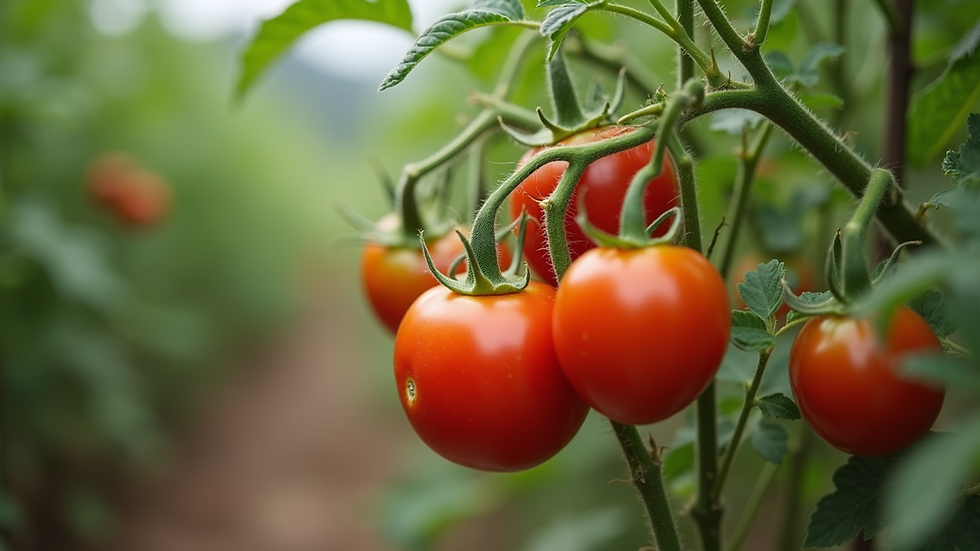
Tomatoes: Start seeds indoors in late winter or purchase seedlings for planting after the last frost.
Cucumbers: Sow seeds directly in the garden in late May.
Bell Peppers: Transplant seedlings after the danger of frost has passed.
Maintenance Tips
Watering: Ensure consistent moisture, especially during dry spells. Drip irrigation can be an effective method.
Mulching: Apply mulch to retain soil moisture and suppress weeds.
Pest Control: Monitor for pests and diseases. Use organic methods like neem oil or insecticidal soap when necessary.
Fall Harvesting
As summer transitions to fall, it's time to reap the rewards of your hard work. Many crops will be ready for harvest:
Late-Season Crops
Carrots: These can be harvested well into the fall and even after a light frost.
Kale: This hardy green can withstand colder temperatures and often tastes sweeter after frost.
Pumpkins: Harvest in late September to early October, before the first frost.
Preparing for Winter
Clean Up: Remove dead plants and debris to prevent disease.
Soil Amendments: Consider planting a cover crop to improve soil health over the winter.
Planning for Next Year: Take notes on what worked and what didn’t to improve your garden for the next season.
Winter Gardening
While winter may seem like a dormant time for gardening, there are still ways to grow vegetables:
Indoor Gardening
Herbs: Consider growing herbs like basil, parsley, and chives indoors.
Microgreens: These can be grown in small trays on a sunny windowsill.
Cold Frames and Greenhouses
If you have the space, consider building a cold frame or greenhouse to extend your growing season. These structures can protect plants from harsh winter conditions and allow for earlier spring planting.
Conclusion
Growing vegetables in the Northeast USA requires careful planning and an understanding of seasonal changes. By selecting the right crops for each season and employing effective gardening techniques, you can enjoy a bountiful harvest year-round. Remember to stay informed about local frost dates, soil conditions, and pest management strategies to ensure your garden thrives.
Start your gardening journey today, and experience the joy of growing your own food right in your backyard!

Happy to see your site. I quit ND and thought I lost you forever. I wish you the best of luck that you deserve. I hope you will post your sales. A. Poole
I'm happy to see that you went ahead and created this site, Mark. Kudos to you!!
Lisa W